 By
By Water Pollution – Causes, Effects & Solutions
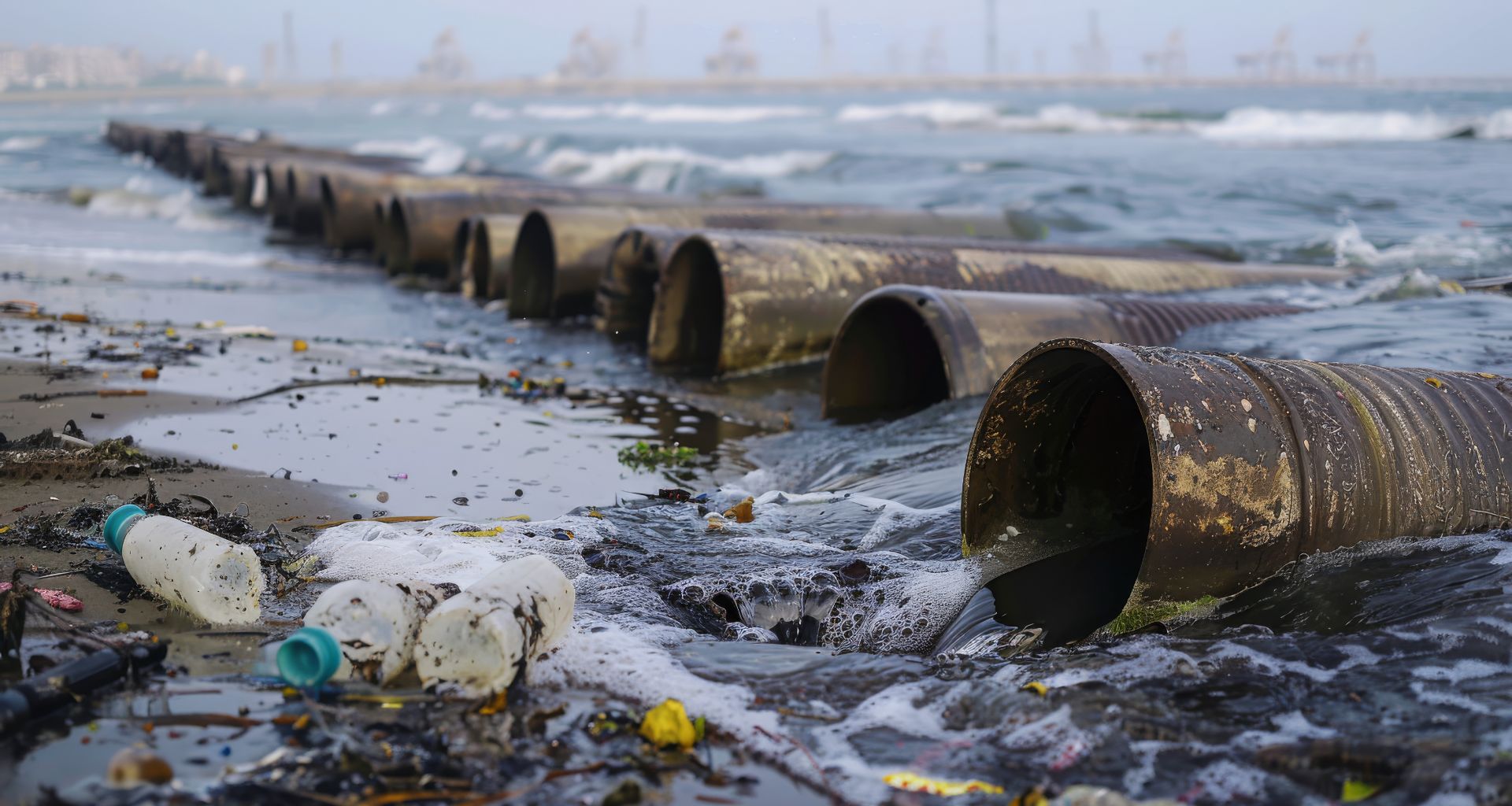
Water pollution occurs when harmful substances such as chemicals, industrial waste, sewage, and plastics contaminate rivers, lakes, groundwater, and oceans. It is a major environmental concern that affects drinking water quality, public health, ecosystems, and economic activities.
Water pollution is mainly caused by: Discharge of untreated or partially treated industrial effluents Domestic sewage and wastewater release
Agricultural runoff containing fertilizers and pesticides Plastic waste and solid waste dumping into water bodies Oil spills and chemical leaks
Major Water Pollutants Heavy metals (lead, mercury, cadmium) Chemical effluents and toxins Nutrients (nitrates, phosphates) causing eutrophication Pathogens from sewage contamination Microplastics entering the food chain Effects of Water Pollution Waterborne diseases and health risks Loss of aquatic life and biodiversity Contamination of drinking and groundwater sourcesDamage to fisheries and agriculture
Degradation of rivers, lakes, and coastal ecosystems Water Pollution Control & Prevention Effluent Treatment Plants (ETP) and Sewage Treatment Plants (STP) Zero Liquid Discharge (ZLD) systems for industries Regular water quality monitoring and testing Strict compliance withenvironmental regulations Waste reduction, recycling, and responsible disposal Importance of Water Pollution Control Effective water pollution control ensures safe drinking water, protects aquatic ecosystems, supports sustainable industries, and safeguards future generations.
Environment World promotes awareness, industry best practices, and sustainable solutions to reduce water pollution and protect our water resources.

