
 By
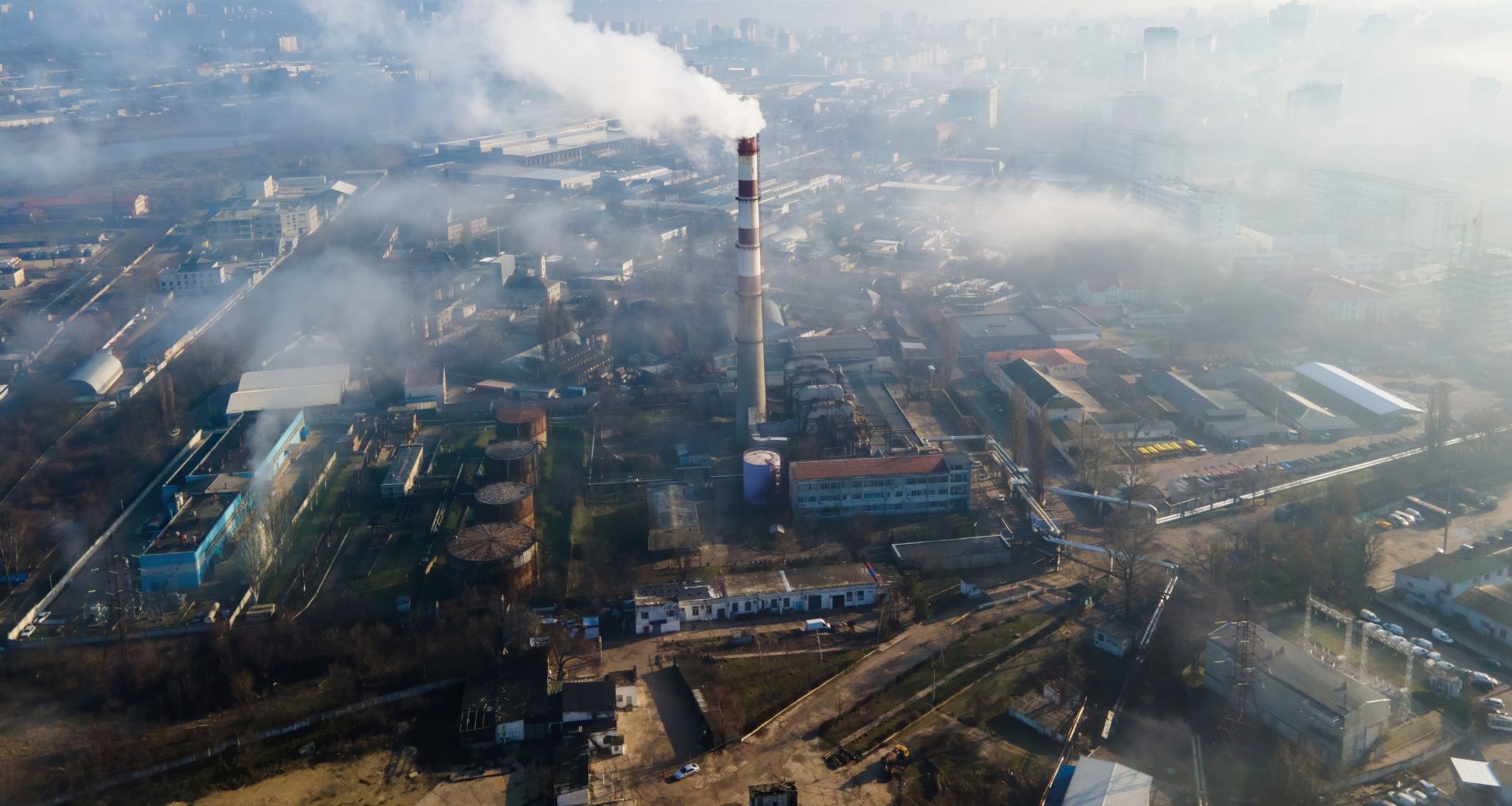
By Air pollution refers to the presence of harmful gases, particulate matter, and pollutants in the atmosphere that negatively affect human health, the environment, and climate. It is one of the leading environmental risks in urban and industrial areas, especially in developing countries. What Causes Air Pollution? Air pollution is mainly caused by: Industrial emissions from factories, power plants, and refineries Vehicle exhaust from cars, trucks, and two-wheelers Burning of fossil fuels, biomass, and waste Construction activities and road dust Use of diesel generators and coal-based energy Major Air Pollutants Particulate Matter (PM2.5 & PM10) – fine particles that enter lungs and bloodstream Sulphur Dioxide (SO₂) – released from coal and oil combustion Nitrogen Oxides (NOx) – produced by vehicles and industrial processes Carbon Monoxide (CO) – from incomplete fuel burning Volatile Organic Compounds (VOCs) – from solvents, paints, and chemicals Effects of Air Pollution Respiratory diseases such as asthma and bronchitis Heart diseases and reduced lung function Smog formation and poor visibility Damage to crops, forests, and ecosystems Contribution to climate change and global warming Air Pollution Control & Prevention Installation of air pollution control equipment (scrubbers, ESPs, bag filters) Adoption of clean fuels and renewable energy Regular monitoring of air quality and emissions Compliance with environmental regulations and emission standards Promoting public transport and electric vehicles Why Air Pollution Control is Important Controlling air pollution improves public health, ensures regulatory compliance, enhances corporate responsibility, and supports sustainable development. Environment World provides awareness, industry-focused knowledge, and practical solutions to reduce air pollution and protect our future. Clean air is essential for a healthy life and a sustainable planet.

