

 By
By Safe & Compliant Handling
Bio-medical waste refers to waste generated during the diagnosis, treatment, or immunization of humans or animals, as well as waste produced in research laboratories and healthcare facilities. Proper bio-medical waste management is critical to prevent infections, protect healthcare
workers, and safeguard the environment. Sources of Bio-Medical Waste Hospitals and nursing homes Clinics and diagnostic centers Pathology laboratories and blood banks Veterinary hospitals and research institutions
Types of Bio-Medical Waste
Infectious waste: Soiled dressings, bandages, cotton
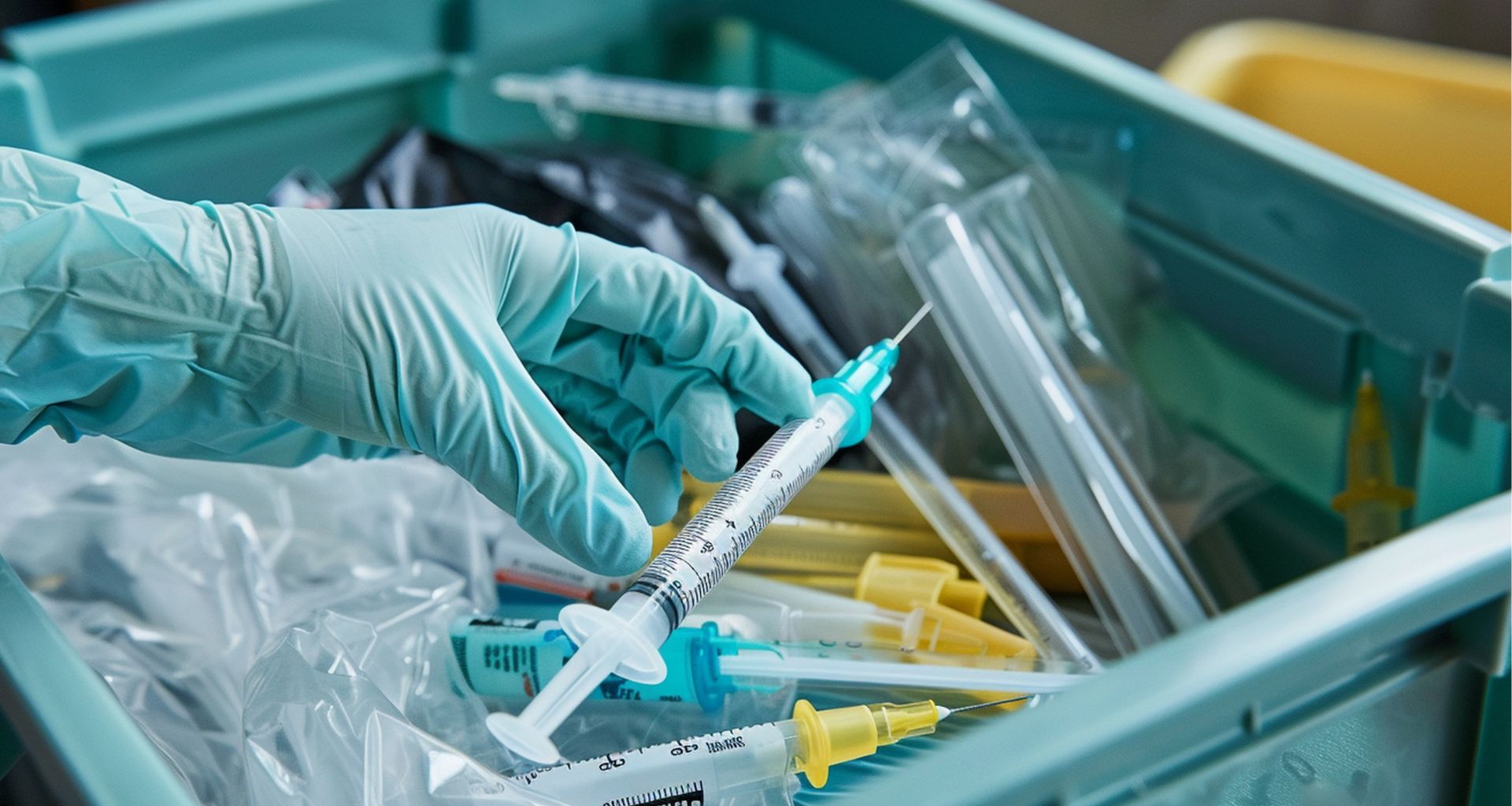
Sharps: Needles, syringes, scalpels, blades
Pathological waste: Human and animal tissues, organs
Pharmaceutical waste: Expired or discarded medicines
Chemical waste: Disinfectants, laboratory chemicals
Risks of Improper Bio-Medical Waste Disposal Spread of infections and diseases Injury from sharps and contaminated materials
Air, water, and soil pollution Serious health hazards to workers and the public Bio-Medical Waste Management Practices Segregation of waste at source using color-coded bins Safe collection, storage, and transportation Treatment through incineration, autoclaving, or shredding
Disposal only through authorized bio-medical waste facilities Training and awareness for healthcare staff Importance of Bio-Medical Waste Management Effective bio-medical waste management ensures public health safety, environmental protection, and compliance with healthcare and environmental regulations. Environment World supports awareness, best practices, and responsible bio-medical wastemanagement for a safer and healthier society
