
 By
By Soil Pollution – Causes, Effects & Control Measures
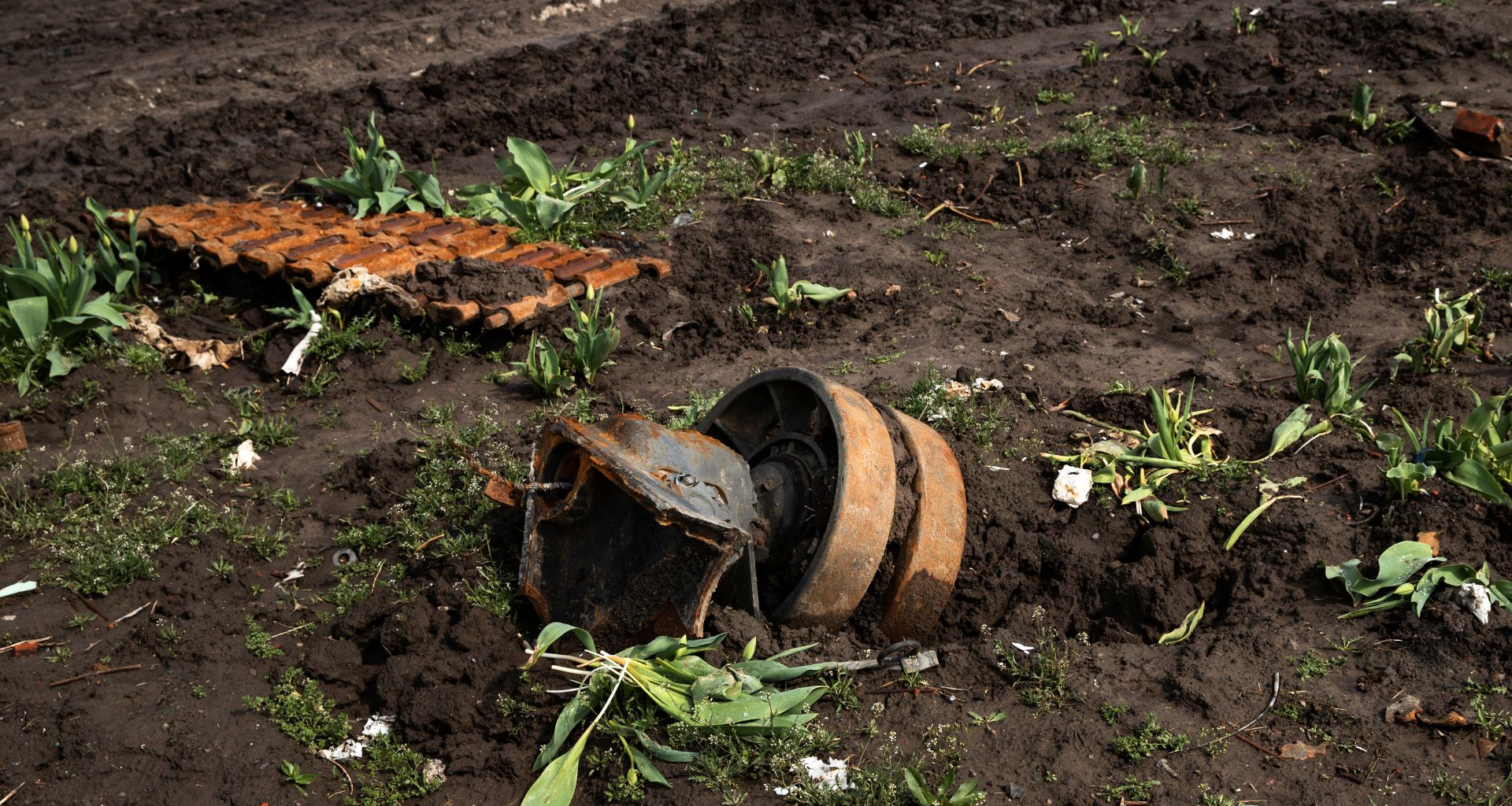
Soil pollution occurs when harmful chemicals, industrial waste, pesticides, and solid waste contaminate the soil, reducing its quality and fertility. It directly affects agriculture, groundwater, ecosystems, and human health, making it a serious environmental issue.
Causes of Soil Pollution :
Soil pollution is mainly caused by:
Improper disposal of industrial and hazardous waste , Excessive use of chemical fertilizers and pesticides , Leachate from landfills and dumping sites , Oil spills, chemical leaks, and mining activities Sewage sludge and untreated waste application
Major Soil Pollutants , Heavy metals (lead, arsenic, mercury) , Persistent organic pollutants (POPs) , Pesticides and herbicides , Industrial chemicals and solvents , Plastic and microplastic residues , Effects of Soil Pollution , Loss of soil fertility and reduced crop yield , Contamination of groundwater and food crops , Health risks due to toxic exposure , Damage to soil microorganisms and biodiversity , Long-term environmental degradation , Soil Pollution Control & Prevention Safe disposal and treatment of hazardous waste Promotion of organic farming and reduced chemical use ,Soil remediation and bioremediation techniques, Proper landfill management and leachate control
Regular soil testing and environmental monitoring , Importance of Soil Pollution Control Preventing soil pollution is essential for food security, sustainable agriculture, environmental protection, and public health. Environment World works towards spreading awareness, encouraging responsible industrial practices, and supporting sustainable soil management.

